
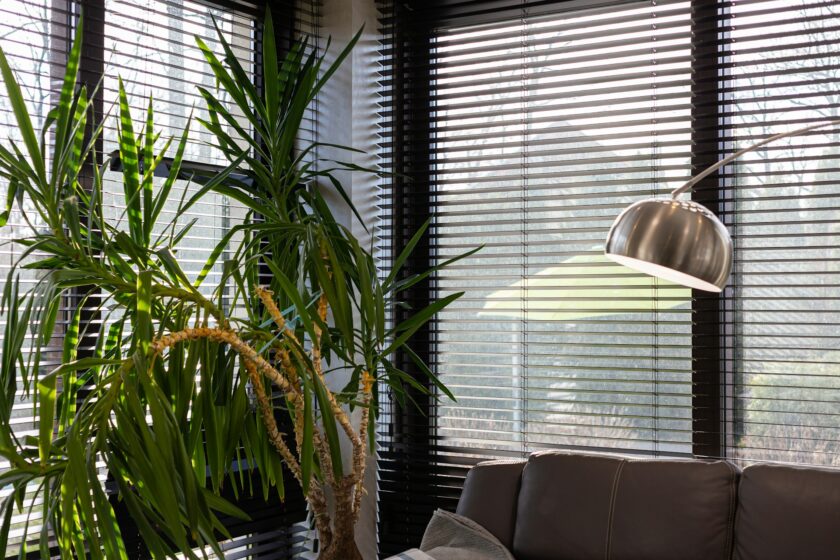
Angled windows add character and architectural interest to any room, but when it comes to dressing them, things get tricky fast. Standard blinds just won’t cut it, and leaving the space bare isn’t exactly the design statement you want to make. Fortunately, with the right approach, you can turn those sharp corners and sloped frames into a standout feature of your home. If you’re tired of staring at bare glass and wondering how to cover it, you’re in the right place. Here’s how to find blinds that work—and look amazing—on your angled windows.
Understand the Challenges and Options
 Finding the right blinds for angled windows means understanding the unique challenges they present. Unlike rectangular frames, angled windows often require custom measurements and tailored solutions. The good news is that many window treatment companies now offer specially designed blinds that accommodate odd shapes without sacrificing style or function. Cellular shades, pleated blinds, and even motorized options are all available in custom cuts that follow the angle of your window for a sleek, polished look.
Consider the Function of the Space
Before choosing blinds, think about what the room is used for. Is it a bedroom where privacy and light control are essential? Or a living space where you want to highlight natural light while still maintaining comfort? The way you use the room will help determine which type of blind works best. For example, blackout materials might be ideal for sloped windows in a loft bedroom, while light-filtering options may suit a sunlit stairwell better.
Think About Light Direction and Heat
Angled windows, especially those high up or facing the sun, can bring in a lot of natural light—but also heat. This is where your choice of material makes a big difference. Reflective or insulating fabrics can help reduce glare and temperature swings while still letting in soft light. If your angled windows are hard to reach, automated blinds are a great solution to help manage light without needing a step stool.
Don’t Sacrifice Style for Shape
One common misconception is that angled windows mean you have to compromise on design. But that couldn’t be further from the truth. Many modern blinds come in a wide range of textures, patterns, and colors—even in custom shapes. Whether you’re going for a clean, minimalist look or want to add a bit of flair, you can find blinds that match your interior style while still fitting those challenging frames perfectly.
Customization Is Key
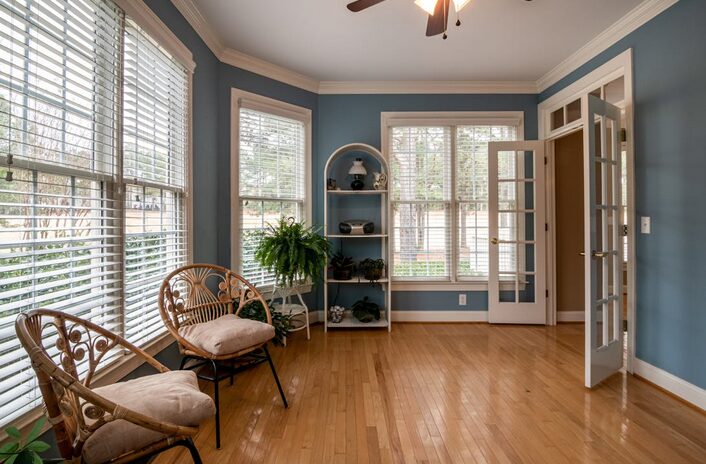
When it comes to angled windows, off-the-shelf solutions rarely work. Custom blinds ensure that the fit is exact and the operation is smooth. Most reputable companies will send someone out to measure your windows and help guide you toward the right materials and mechanisms. While custom options may cost a bit more, the result is well worth it. A perfectly fitted blind not only looks better but functions better, too.
Install for Convenience and Longevity
Once you’ve chosen your ideal blinds, installation matters just as much as selection. Angled windows often require brackets and mounting systems that can handle irregular shapes. Consider hiring a professional installer to ensure everything is secure and aligned correctly. Also, think about how you’ll operate the blinds—especially if they’re in a high or awkward spot. Motorized controls or cordless mechanisms can make day-to-day use a breeze while keeping the look streamlined.
Blinds for angled windows don’t have to be a design dilemma. With the right approach, you can find treatments that enhance both the beauty and function of your space. Custom options, smart materials, and thoughtful installation all play a role in turning those bare corners into focal points. So instead of covering up your home’s unique architecture, highlight it with blinds that fit perfectly and look just as good as they perform.