
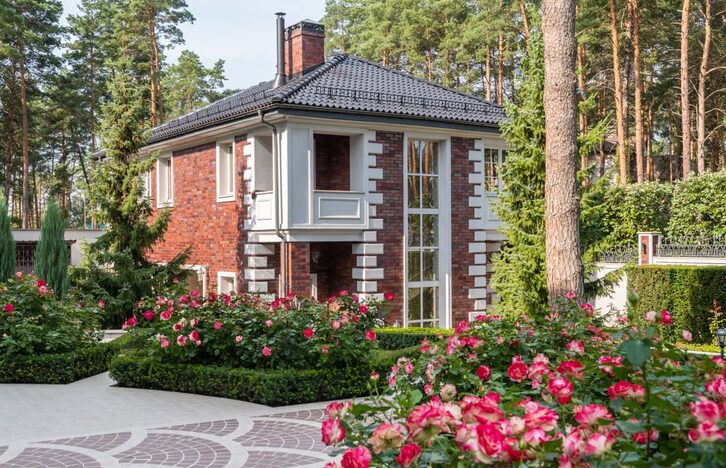
A beautiful landscape can make a home feel more welcoming, balanced, and connected to its surroundings. However, good landscaping involves more than choosing attractive plants or adding decorative features. It requires a thoughtful approach to the home’s architecture, available space, climate, and daily needs. Professional landscaping services can help homeowners plan and develop outdoor areas that suit their property and lifestyle. When these elements work together, the outdoor area becomes a natural extension of the property. Whether you have a spacious yard or a small garden, careful planning can help create an inviting landscape that reflects your home’s character while remaining practical to maintain.
Understand Your Home’s Architectural Style
The design of your landscape should complement the appearance of your home. Before selecting plants or outdoor features, consider its architectural style, exterior colors, materials, and overall shape. A modern home with clean lines may benefit from simple planting arrangements, geometric pathways, and neatly arranged greenery. A traditional house may look more balanced with curved garden beds, flowering plants, and natural stone details. Pay attention to the colors already present on your exterior. Choose plants, paving, and decorative materials that work well with these shades. Matching every element is unnecessary, but the overall combination should feel connected. When the landscape supports the home’s existing design, the property looks more cohesive and thoughtfully arranged.
Plan the Available Outdoor Space
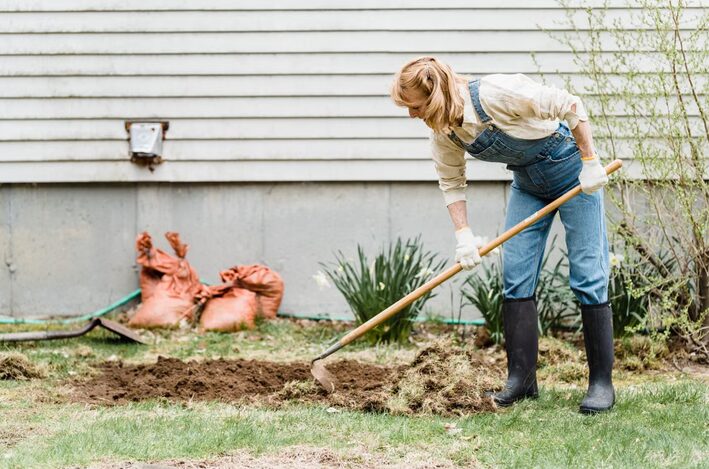
Before purchasing plants or materials, assess the size and layout of your outdoor area. Identify sunny and shaded sections, existing trees, slopes, pathways, and areas where water collects. These details can influence where different landscape features should be placed. A clear plan also helps prevent overcrowding and unnecessary expenses. Think about how you intend to use the space. You may need an open lawn, a quiet seating corner, a play area, or a pathway connecting the entrance to the backyard. Divide the yard into practical zones while keeping movement between them comfortable. In smaller spaces, use vertical planters, compact shrubs, or defined garden edges to make the area feel organized without taking up too much room.
Choose Plants That Suit the Environment
Plants play an important role in shaping the mood and appearance of a landscape. However, their growing requirements should guide your choices as much as their appearance. Consider the local climate, soil type, rainfall, sunlight, and available water. Native and climate-adapted plants are often practical options because they are suited to local conditions and may require less intensive care once established. Combine plants of different heights, textures, and colors to create visual interest. Small flowering plants can soften garden borders, while shrubs provide structure and taller trees offer shade. Avoid placing too many varieties in one area, as this can make the garden appear busy. Consider each plant’s mature size, too, so it has enough room to grow without blocking windows, paths, or outdoor seating.
Balance Colors, Textures, and Features
A well-designed landscape uses color and texture in a balanced way. Green foliage can provide a consistent background, while flowers and ornamental plants introduce seasonal color. Choose a limited palette that complements the home’s exterior, then repeat selected colors in different parts of the garden. This repetition creates a sense of connection throughout the property. Hardscape features also contribute to the overall design. Stone pathways, wooden decks, retaining walls, and garden borders can add structure and improve usability. Select materials that suit the home’s finishes and the surrounding environment. For example, natural stone can create an earthy appearance, while concrete pavers may suit a more contemporary setting. Use decorative features with purpose rather than filling every open area.
Create Comfortable and Functional Areas
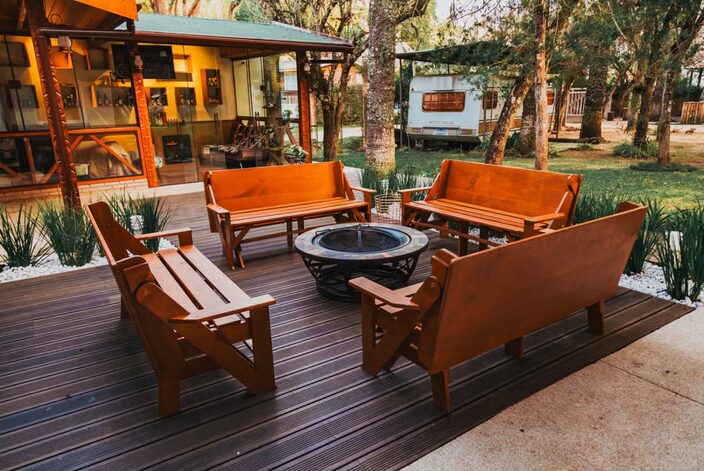
A landscape should look attractive while supporting everyday activities. Consider adding a shaded seating area where household members can relax, read, or spend time together. If you enjoy outdoor meals, a small patio near the kitchen may be convenient. Keep pathways wide enough for comfortable movement and choose surfaces that are suitable for the area’s weather conditions. Privacy, shade, and drainage are also important. Trees, hedges, or screens can help separate outdoor areas from nearby properties. Place trees carefully to avoid problems with foundations, overhead lines, or underground utilities. Make sure water can drain away from the house to reduce the risk of pooling near walls or walkways. Practical decisions like these help the landscape remain comfortable and usable.
Maintain the Landscape Over Time
A landscape needs regular care to preserve its appearance and health. Choose a design that matches the time and effort you can realistically dedicate to maintenance. If your schedule is busy, consider hardy plants, mulched garden beds, and efficient irrigation. Grouping plants with similar watering needs can also make routine care easier. Regularly remove weeds, trim overgrown branches, replenish mulch, and check for signs of pests or plant stress. Seasonal pruning and soil improvements can support healthy growth. As plants mature, review the layout and adjust crowded areas when needed. A landscape does not have to remain unchanged to look attractive. Small, considered updates can help it adapt to your household’s needs while retaining a consistent style.
Designing a beautiful landscape that complements your home begins with understanding the property’s style, space, and environment. Thoughtful plant selection, balanced materials, and functional outdoor areas can bring the entire design together. With a realistic maintenance plan, the landscape can remain inviting as it grows and changes. The goal is to create an outdoor setting that feels connected to the home and suits the way you live.