
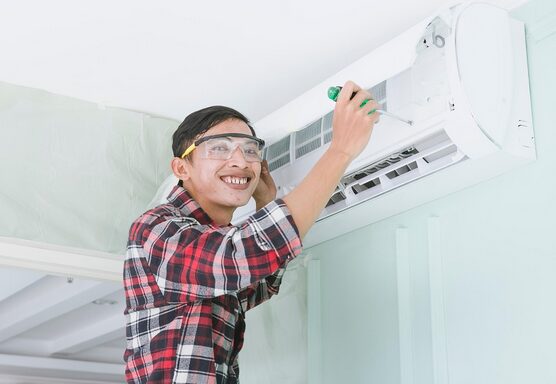
Regular HVAC maintenance is essential for keeping heating and cooling systems operating efficiently throughout the year. During a routine service visit, technicians inspect key components, clean essential parts, and evaluate overall system performance to identify potential issues before they become major problems. Homeowners who rely on providers often benefit from proactive maintenance that supports system reliability and indoor comfort. These visits may also include airflow testing, thermostat checks, and safety inspections to ensure everything functions correctly. This article explains what homeowners can expect during a routine HVAC service appointment and why consistent maintenance matters.
Initial System Inspection and Performance Evaluation
Emergency AC repair services in Hutto by Jurnee Mechanical typically begin with a general inspection of the HVAC system. This evaluation involves examining visible components, including indoor and outdoor units, ventilation pathways, and electrical connections. The technician may also observe how the system starts, operates, and cycles during use. This initial assessment helps identify irregular sounds, airflow inconsistencies, or performance issues that may indicate underlying concerns. By reviewing the system’s overall operation, the technician gains a clearer understanding of its current condition and efficiency.
Checking Airflow and Ventilation Components
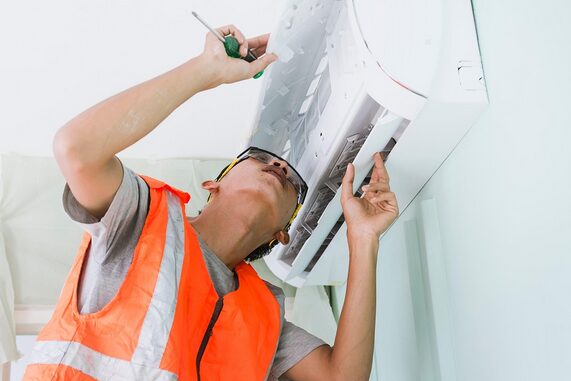
Airflow plays a major role in HVAC system performance, so technicians often inspect filters, ducts, and ventilation systems during routine visits. Dirty filters or blocked airflow paths can reduce efficiency and place additional strain on system components. The inspection may involve evaluating whether air moves evenly through the system and whether ventilation components remain unobstructed. Proper airflow supports balanced temperature regulation and contributes to overall indoor comfort. This part of the service visit focuses on maintaining effective circulation within the heating and cooling system.
Reviewing Mechanical and Electrical Components
Routine HVAC servicing also includes inspecting mechanical and electrical components that affect system operation. Technicians may inspect motors, fans, wiring connections, and control systems to ensure they function correctly. These components are essential for maintaining consistent performance and reliable operation. Over time, normal wear can affect their efficiency, making regular evaluation important. The inspection process helps identify signs of strain or deterioration that could impact system reliability if left unaddressed. This review supports the long-term functionality of the HVAC system.
Assessing Overall System Efficiency and Condition
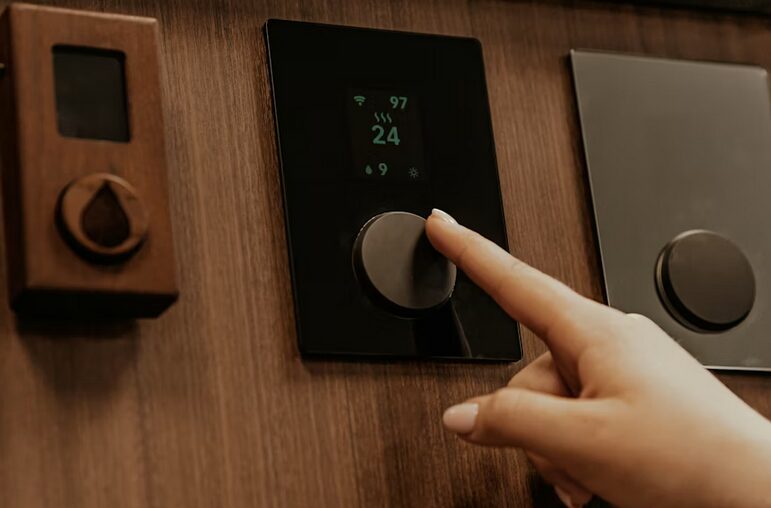
At the conclusion of the visit, the technician generally evaluates the system’s overall efficiency and operating condition. This assessment may include checking how effectively the system responds to temperature settings and whether performance aligns with expected operation. The technician may also discuss observations on system wear or areas that require future attention. This final stage helps provide a clearer picture of how the HVAC system is functioning and whether any adjustments or follow-up maintenance may be necessary. The goal is to ensure the system continues to operate stably and efficiently.
A routine HVAC service visit involves inspecting system components, evaluating airflow, reviewing mechanical and electrical parts, and assessing overall performance. These visits help maintain the efficiency and reliability of heating and cooling systems by identifying issues that may affect operation over time. Through structured inspections and evaluations, HVAC professionals support the continued operation of indoor climate control systems amid changing seasonal demands. Understanding what happens during a routine service visit highlights the importance of regular system maintenance for indoor comfort.